
The Role of Field Samples in Generating Real, Actionable Bioscience

The Role of Field Samples in Generating Real, Actionable Bioscience

by Lee Hanson When field samples arrive in the lab, they become the anchor point that connects controlled experimental work to the complexity of real agricultural systems. Soil, root, and leaf samples collected in the field give us access to the actual microbial communities, nutrient dynamics, and environmental pressures that growers are dealing with—not theoretical …

Read more

Utilizing Aseptic Techniques to Prevent Contamination

Aseptic Technique

By Brianna Baggett Aseptic techniques are used in the medical field, research, and pharmaceutical studies in order to prevent contamination. In the lab setting, aseptic techniques involve procedures designed to prevent microbial contamination and ensure the validity of the experiments being performed. By creating and maintaining sterile conditions, researchers can study biological systems without the …

Read more

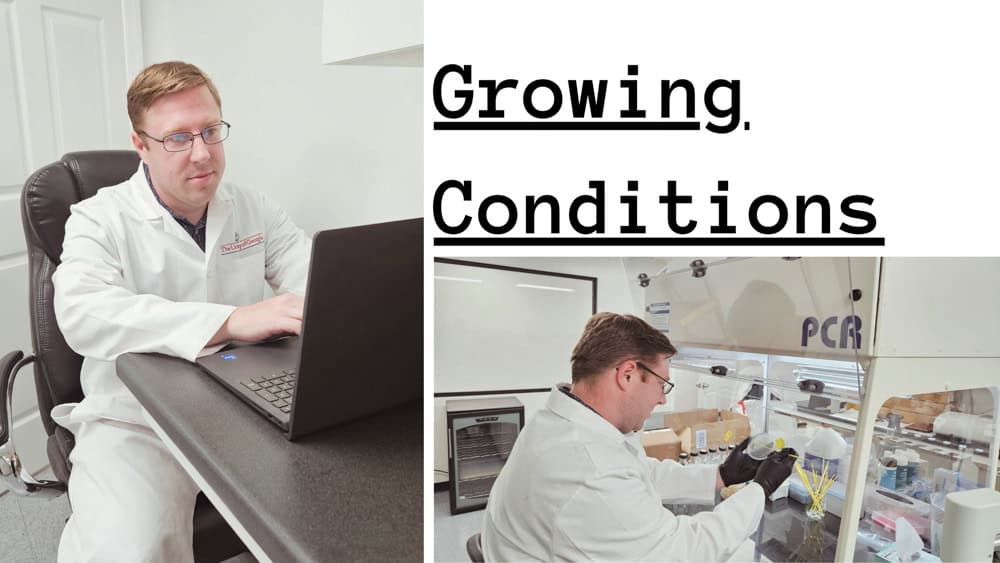
Jordan Russel in lab coat working in a lab showing Growing Conditions

Growing Conditions

Understanding How Microorganisms Thrive in Nature, Labs, and Asymmetry Products with Jordan Russell Microbes have evolved to occupy nearly every conceivable ecological niche. Soil, aquatic environments, and plant- and animal-associated environments are among the most biologically active habitats, hosting dense and diverse microbial communities. Yet, life doesn’t stop there — bacteria and fungi have also …

Read more